Let’s be real. You’ve seen the ads. They pop up in your social feed, whisper from the radio, and fill your inbox with promises of slashing your monthly payment or shaving years off your loan. “Refinance now and save thousands!” they proclaim.
It sounds like a no-brainer. Who doesn’t want to save money?
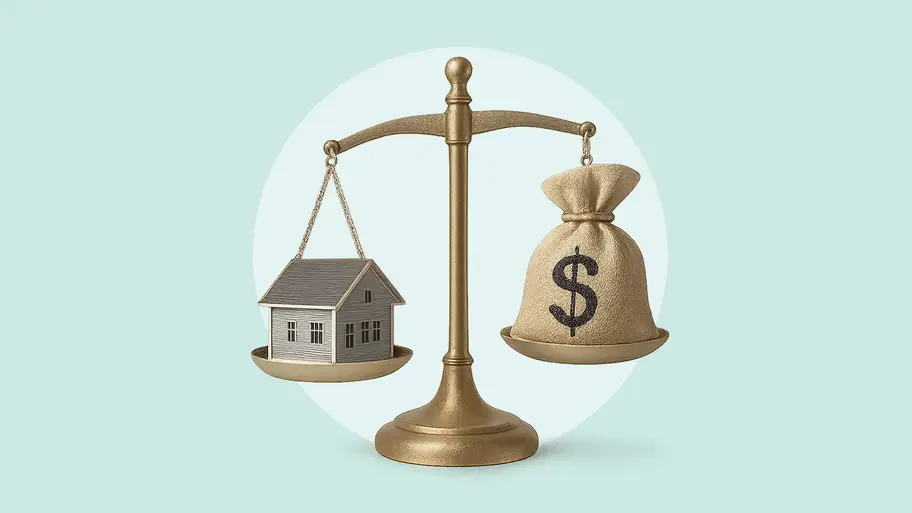
But here’s the truth they don’t always shout about: refinancing your mortgage isn’t a one-size-fits-all miracle. For some, it’s a brilliant financial masterstroke. For others, it’s an expensive misstep that can cost more than it saves.
So, before you get swept up in the low-rate hype, let’s cut through the noise. This isn’t about what a lender wants you to do; it’s about whether refinancing is the right move for you and your unique financial picture.
What Exactly is a Refinance? (It’s Not Just a Lower Rate)
In simple terms, refinancing means you’re taking out a new mortgage to replace your old one. This new loan pays off your original mortgage, and you then make payments on the new terms.
People usually do this for a few key reasons:
- To Snag a Lower Interest Rate: This is the big one. If rates have dropped since you got your original loan, you could significantly reduce your monthly payment.
- To Shorten the Loan Term: Maybe you got a 30-year loan but now want to pay it off in 15 years. Refinancing can get you there faster, often with a slightly higher monthly payment but much less interest paid over time.
- To Tap Into Your Home’s Equity (Cash-Out Refinance): If your home has increased in value, you can refinance for more than you owe and take the difference in cash. This can be great for funding a major renovation, paying off high-interest debt, or covering college tuition. But it also means you owe more on your house.
- To Ditch FHA Mortgage Insurance: If you put less than 20% down with an FHA loan, you’re stuck paying Mortgage Insurance Premiums (MIP) for the life of the loan in most cases. Refinancing into a conventional loan once you have 20% equity can eliminate that costly fee.
The Golden Rule: The Break-Even Point is Everything
This is the most critical concept to understand. Refinancing isn’t free. You’ll face closing costs, which typically run from 2% to 5% of your loan amount. That means on a $300,000 loan, you could pay $6,000 to $15,000 in fees.
Your break-even point is the moment your monthly savings have finally covered those upfront closing costs. Only after you cross this point do you actually start saving money.
How to Calculate It (Don’t worry, it’s simple):Total Closing Costs ÷ Monthly Savings = Number of Months to Break Even
- Example: Your closing costs are $6,000. Refinancing lowers your payment by $200 a month.
$6,000 / $200 = 30 months- Your break-even point is 2.5 years.
Now, ask yourself: How long do I plan to stay in this house?
If you plan to move in a year, this refinance would actually cost you money. If you plan to stay for 10 years, you’ll enjoy 7.5 years of pure savings. This single calculation is your best defense against a bad refinance decision.
When Refinancing is a Genius Move
- You’ve Got a High Rate: If your current rate is a full percentage point or more above today’s rates, it’s worth running the numbers.
- Your Credit Score Has Skyrocketed: Did you buy your house with a mediocre credit score? If you’ve since cleaned up your credit and built a great score, you could now qualify for a much better rate.
- You Can Afford a Shorter Term: Switching from a 30-year to a 15-year loan can save you a staggering amount of interest over the life of the loan, and you’ll build equity much faster.
- You Need to Consolidate Debts ( wisely): Using a cash-out refinance to pay off high-interest credit card debt can be a smart consolidation strategy. But this only works if you commit to not running up new debt again.
When You Should Slam on the Brakes
- You’re Planning to Move Soon: Remember that break-even point? If you won’t be in the house long enough to reach it, you’re throwing money away on closing costs.
- You’re Adding Years Back to Your Loan: If you’re 10 years into a 30-year mortgage and refinance into a new 30-year loan, you’ve just reset the clock. You’ll lower your payment, but you’ll be paying for 40 years total. That’s often a bad long-term trade.
- You’re Rolling High Costs into the Loan: To avoid paying closing costs upfront, lenders might offer a “no-closing-cost” refinance. This is often a misnomer. It usually means they’re either charging you a higher interest rate to cover the costs or adding the fees to your loan balance, meaning you’ll pay interest on them for years.
- Your Job is Shaky: If your income isn’t stable, taking on the cost of a refinance might be too big of a risk.
The Bottom Line: It’s a Personal Calculation
There is no universal answer. The right choice depends entirely on your goals, your timeline, and the cold, hard math.
Your Action Plan:
- Get Your Documents Ready: Know your current mortgage balance, interest rate, and monthly payment.
- Check Your Credit: A quick credit check will tell you what kind of rate you might qualify for.
- Shop Around, Don’t Settle: Get quotes from at least three different lenders—your current bank, a credit union, and an online lender. Compare their Loan Estimates side-by-side. Look at the interest rate, the APR (which includes fees), and the total closing costs.
- Crunch Your Numbers: Use online calculators or do the break-even math yourself. Be brutally honest about how long you’ll be in the home.
- Think About the Goal: Are you trying to lower your monthly cash flow, save on total interest, or get cash for a specific purpose? Let that goal guide your decision.
Refinancing can be a powerful tool. But like any powerful tool, it needs to be handled with care and a clear plan. Ignore the hype, do the math, and make the choice that strengthens your financial future—not just one that lowers your payment today.